Water Shortage in Cape Town
“We’ll never, ever, ever take water for granted again.”
Last February in 2018, an extreme period of drought hit the center of South Africa lasting for months. Leading to a shortage of the water supply.
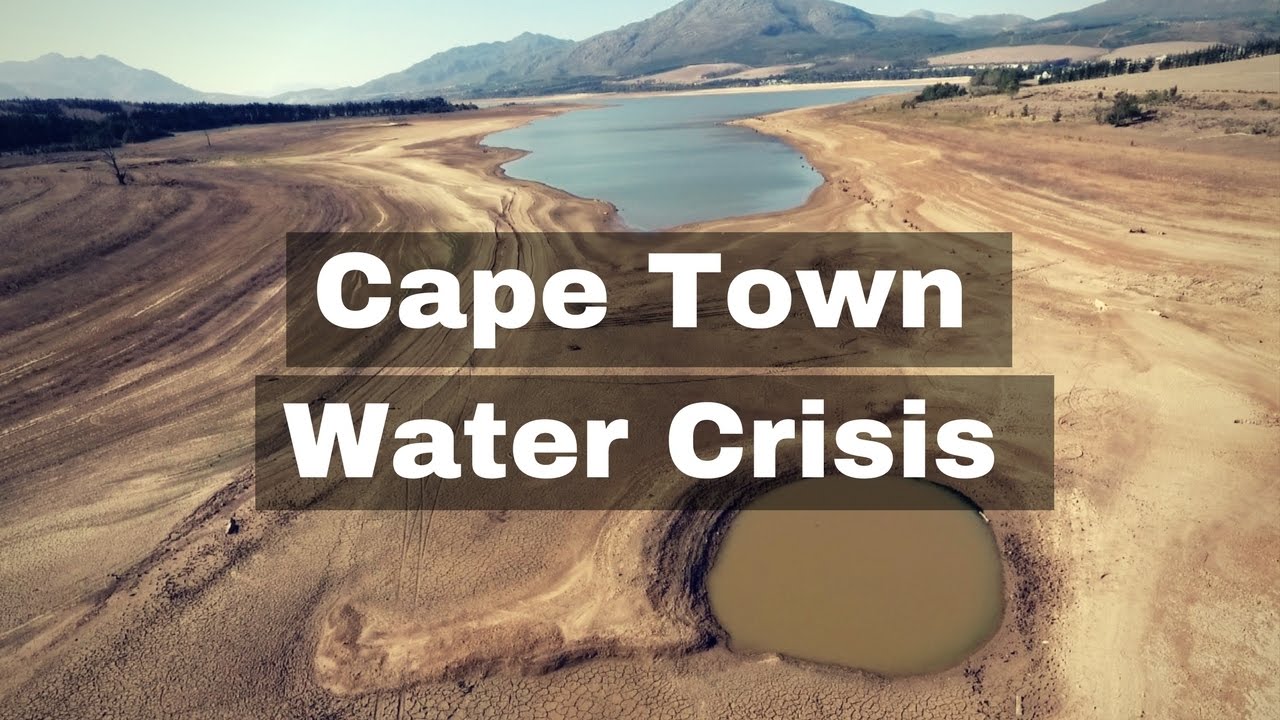
This drought will eventually lead to a Day Zero, which means that the water reservoirs will run out of water. This will have a huge impact on the water supply for both agricultural and urban use. (Lynsey Chutel, 2018)
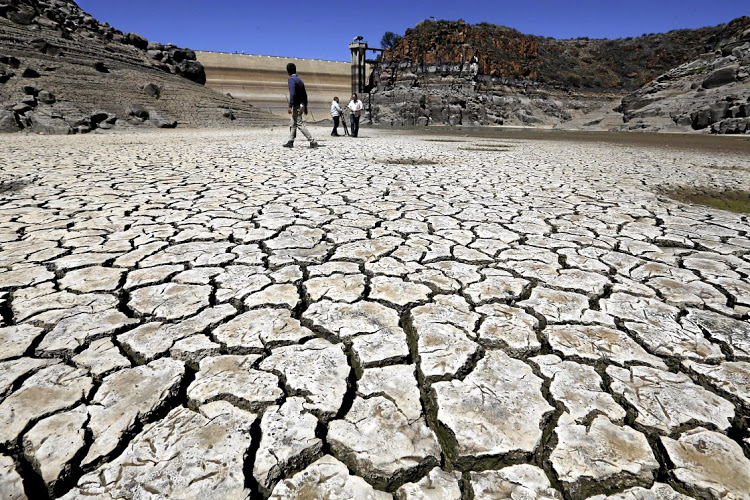
The citizens of Cape Town had to cope with a limited water supply. For example: limited drinking water, less showering and less flushing the toilet. This was very hard for the inhabitants of Cape Town. The drought had a tremendous effect on the water supply system in Cape Town, the emergency protocol was enabled for the people. (Richard Bosman, 2017)
At the height of this water crisis, citizens of Cape Town played a big part in reducing this water shortage. They were not allowed to use more than 50 liters of water a day. Practically, it meant that gardens went dry, showers were restricted to two minutes and swimming pools were almost a disgrace among neighbors. (Lynsey Chutel, 2018)
One major problem that lead to the city’s water shortage was the rapid growing population, an increase of 2 million inhabitants since 1995. At the same time the city only built one major dam, which was opened in 2009. (Lynsey Chutel, 2018)
However, by taking the right measurements, Cape Town has pushed its day zero date from 2017 to 2019. At the same time, the city is adapting more to climate change and are innovating new ways of making the city more resilient when facing extreme droughts.

 Global Challange: No Water No Food