7. Strategies

Hong Kong is a special-administrative region in Southern China, that lies near the sea. It is also one of the most densely populated region in the world. 

However, Hong Kong is also one of the leading capitals of the world, being the city with the largest skyscrapers and one of the big financial cities in the world.  Because of its location near the sea and also near Mainland china, where lots of pollution takes place. The climate and environment is negatively affected. 
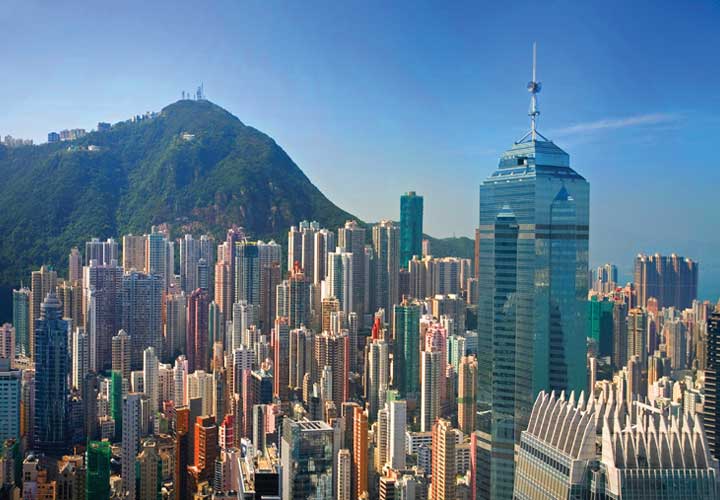
Despite being a small region Hong Kong is doing everything they can to prevent and minimize the challenges caused by climate change. The government made a Climate Action Plan with their vision in 2030. 

In this plan, there are multiple strategies to face the ongoing and upcoming climate challenges.

The main subjects from this plan are:

  • Reduce carbon emission 
  • Electricity generation 
  • Increasing renewable energy 
  • Water security 
  • Increase biodiversity 
  • Energy and carbon efficiency in buildings and infrastructure 
These goals tell us exactly what the current climate challenges in Hong Kong are:  

  • Risk of flooding and coastal damage 
  • Trouble with conservation of the biodiversity
  • Extreme pollution caused by fossil fuels 
  • Rising temperature in urban areas   

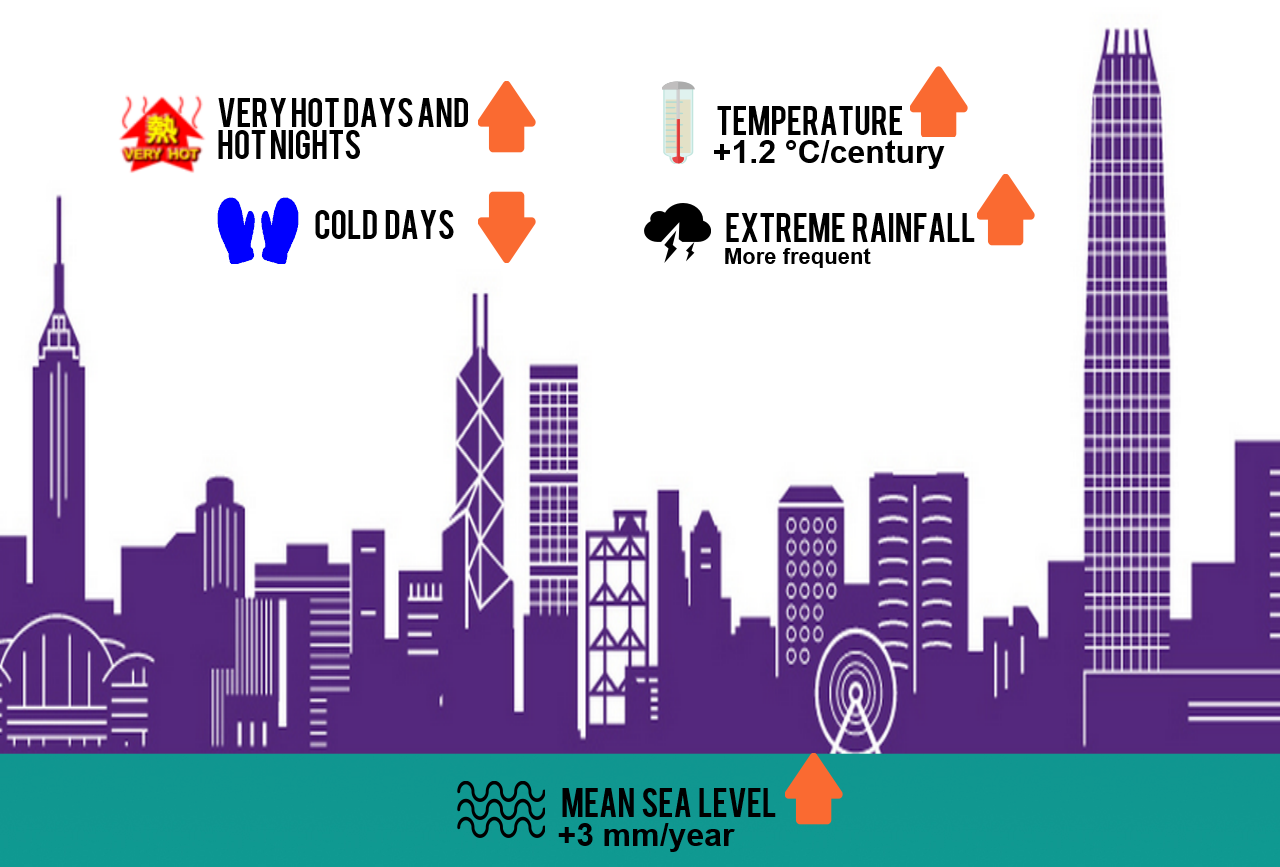
Overview of the effects of climate change in Hong Kong

Now that the climate challenges are clear, there are multiple strategies that are an option for Hong Kong. 

For instance, “greening” the buildings in Hong Kong can help with reducing the possibilities of urban heat island and reduce pollution. 

Secondly, going over from fossil fuels to clear/green energy can make a huge difference. This way, the region will be less polluted which will increase the health of the citizens, but also eliminate the use of fossil fuels. This is a great way to start reducing carbon emission.

Another possible solution is for Hong Kong to become a Sponge City, The Sponge City indicates a particular type of city that acts like a sponge, actually absorbing the rain water, which is then naturally filtered by the soil and allowed to reach into the urban aquifers. This allows for the extraction of water from the ground through urban or peri-urban wells. This water can be easily treated and used for the city water supply (World Future Council, 2016).

Benefits of a sponge city are: 

  • More clean water for the city 
  • Clearer groundwater
  • Reduction in flood risk 
  • Enriched biodiversity 

A few key elements a city needs to become a sponge city: 

  • Contiguous open green spaces
  • Green roofs 
  • Water drainage that can save and recycle the water 
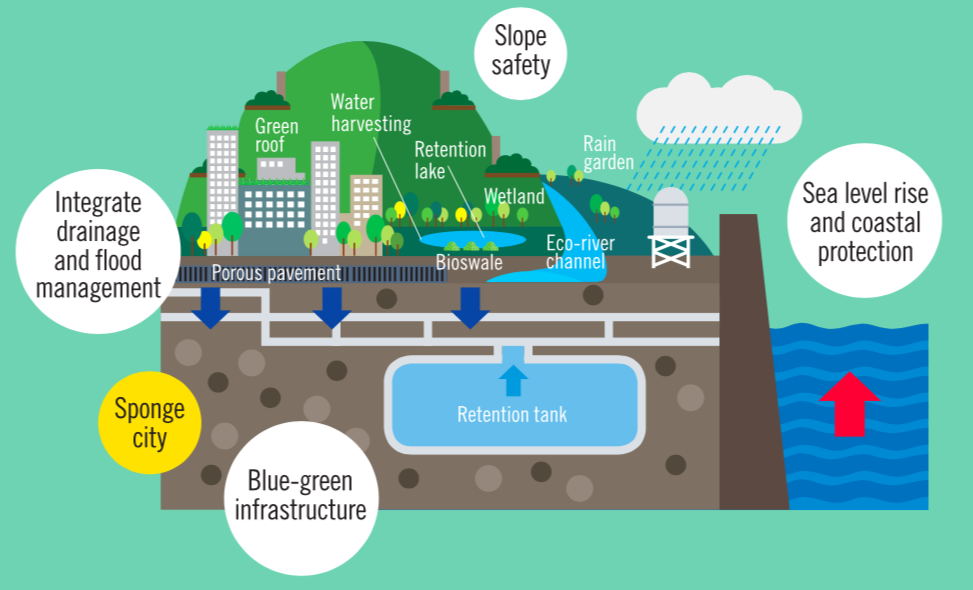
Visualization of a sponge city

Hong Kong is facing many climate challenges, but for me it is clear that they have a pretty good understanding of what is going on and what to do about it. I have good faith in Hong Kong that they can become a climate resilient region.
6. Technical and financial solutions

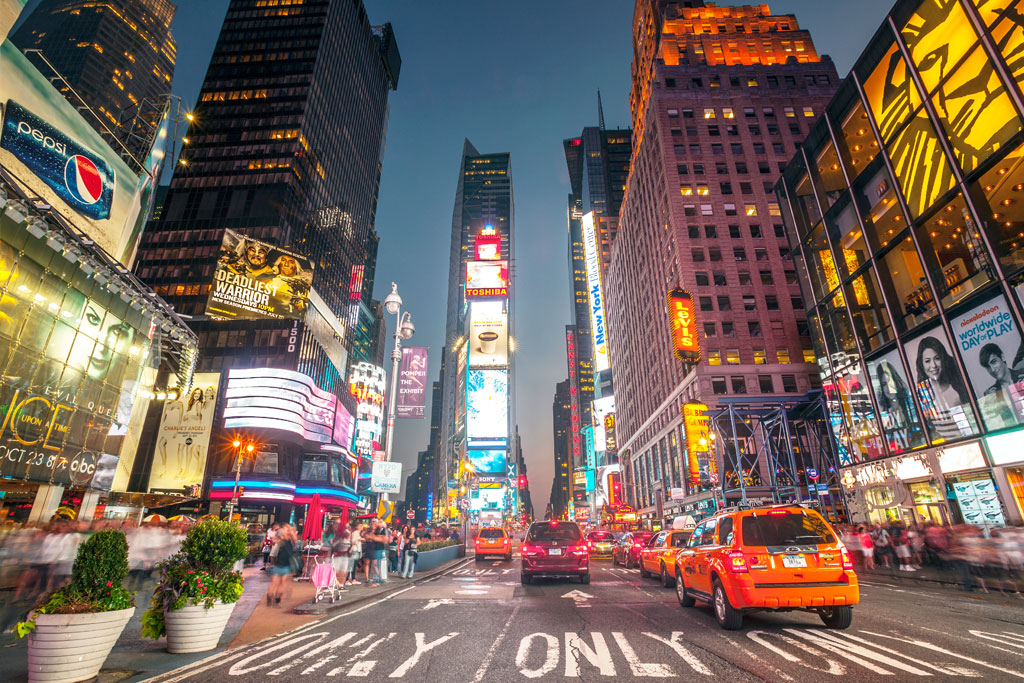
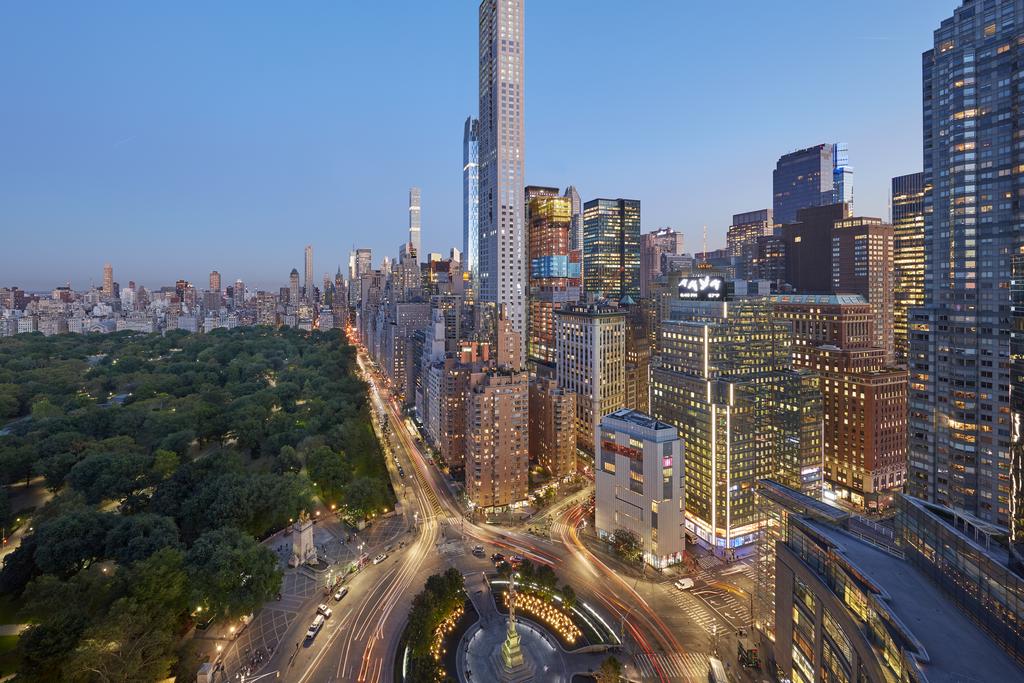
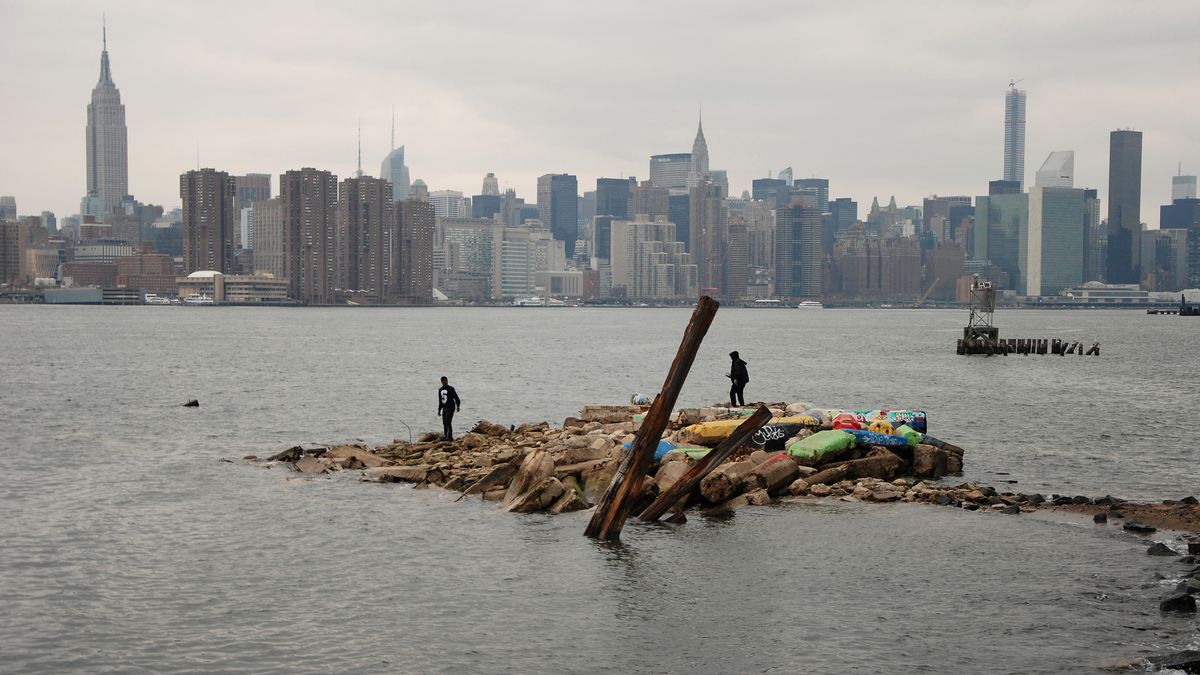
The most famous city in the world where dreams come true, New York. 

New York is most well-known for their massive skyscrapers, the art culture and the famous people with their wealthy life style all resides within New York. 

Yet New York is one of the most at risk cities with sea level rises. New York has many bridges and tunnels and climate change will affect buildings/structures, water supply and energy demand (Earth Institute, Columbia University, 2009. Alongside with the high population New York is very prone to floods. 

Technical solutions

Rather than “fighting” climate change it is more important for the city to adapt to climate change. Hereunder are three technical solutions that can help New York adapt to climate change.

  1. Green roofs/building: New York is most famous for its skyscrapers and immense infrastructure. With the rising temperatures, this will eventually lead to Urban Heat Island, where the temperature of the urban area is higher than the rural area. 
    Green roofs and buildings will reduce this heat stress and “cool” down the city. It is also a great way to help infiltrating rainwater during extreme rainfall.
  2. Reduce big polluters:  The city of New York announced in 2017 that it was going to sue 5 big oil companies and divest its pension funds from $5 billion worth of investments in fossil fuel-involved businesses (The Climate Reality Project, 2018). This will help reduce the greenhouse effect. This way, it can help to reduce the rising temperatures.  
  3. Coastal barriers: New York is the most prone to flooding because of the location near the water. Therefore, the solution for this problem will be: coastal barriers. 

New York City is now planning to build a wall and park worth 1 billion USD, to guard the next inevitable flood (Business Insider, 2018). This project is still in the preliminary phase so not much is known. However, this shows that a coastal barrier is indeed a considerate option to protect the city against flooding. 

Financial solutions 

As the financial center of the whole world, New York is home to hundreds of offices and financial centers. These companies face immediate and long-term risks from climate change. For example, rising sea levels may flood offices, resulting in business disruptions and loss of assets. 

Therefore, financial solutions can help New York to adapt to climate change and become more resilient. Hereunder are three financial solutions that can help New York adapt to climate change.

  1. Financing and investing in clean energy. This way it will reduce the chance of further global warming. New York governor Andrew Cuomo included a 1.2 billion USD budget for renewable green projects (Energy Manger Today, 2019). This will increase the amount of clean energy and make New York eco-friendlier. 
  2. Investing in green infrastructure: As the city with the most well-known infrastructure, investing in green infrastructure will help the city against the Urban Heat Island. For example: The New York City Department of Environmental Protection is building rain gardens and other types of green infrastructure to manage storm water and improve water quality in local waterways (NYC Environmental Protection, 2019)
  3. Investing in carbon neutrality:  New York Governor Andrew Cuomo announced in December 2018 that he will push for New York to transition to 100 percent clean electricity by 2040, in a statement outlining his agenda for early 2019 (Green Tech Media, 2018). The main source in achieving this will be from solar energy. 

New York has always been a modern and innovative city, with all these solutions that are already in the making and making progress. I am sure that New York will be the frontrunner as the first Big City to fully adapt to climate change. 

5. Institutional challenges of climate change

Uganda is a country located in East-Central Africa, that is constantly being affected by climate change. 

Uganda is rich in natural resources, and has relatively fertile soil, biodiversity, rich vegetation and significant water resources; about 18 per cent of the country’s surface area is comprised of water bodies and swamps (OneWorld, 2009).

Thus, making Uganda very prone to the effects of climate change.

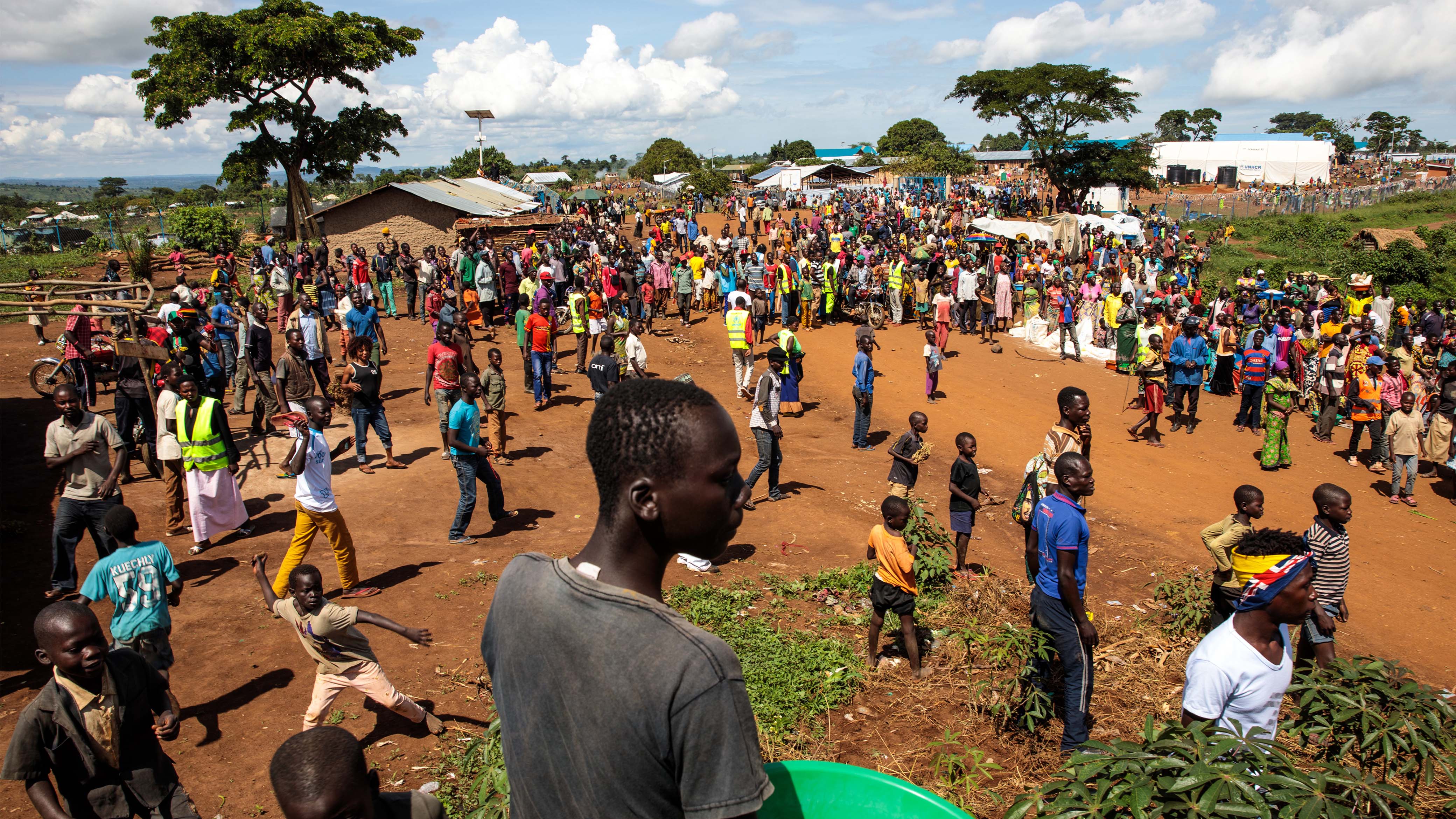
Picture of the people of Uganda and their daily live

It is known that policies are needed to provide a supportive environment that guides and helps countries adapt to climate change. Yet in some countries it is still not widely acknowledged. These are all part of institutional challenges regarding climate change.

Uganda has made immense progress in the last decade towards building governance systems for climate change. This is because of the United Nations’ Framework Convention on Climate Change in 1992, to urge and help developed countries to adapt to climate change (UNFCCC, 2011). Uganda was one of the first countries to sign up for this framework and was fully dedicated to adapting to climate change. 

Because of this Framework the Government of Uganda set up multiple national policies to adapt to climate change, from water and sanitation to land development planning. This was the start of a national policy that would lead to many changes in the country. 

In 2015, the National Climate Change Policy was developed and approved in April, the objective was to ensure that all stakeholders address climate change impacts and their causes through appropriate measures, while promoting sustainable development and a green economy (Government of Uganda, 2015). 

Despite considerable progress made in developing a governance system for climate change adaptation, findings from research institutes indicate that implementation is often constrained by lack of harmonized sectoral planning (Environmental Science and Policy, 2016). Sectoral planning means a plan for specific geographic areas and not for a whole country. This will lead to differences and misunderstandings. 

Causes for these institutional challenges are (Environmental Science and Policy, 2016): 

  • Different coordination of stakeholders: there are different stakeholders on different levels, from government officials to NGO’s and from national to local policies.
  • Limited technical capacity: stakeholders may lack certain skills to enable long-term planning.
  • Finances: there may be not enough money to fund certain policies or projects.
  • Political interference: with every government party there are different opinions, especially on climate change. So not everyone would be cooperating to adapt to climate change. 
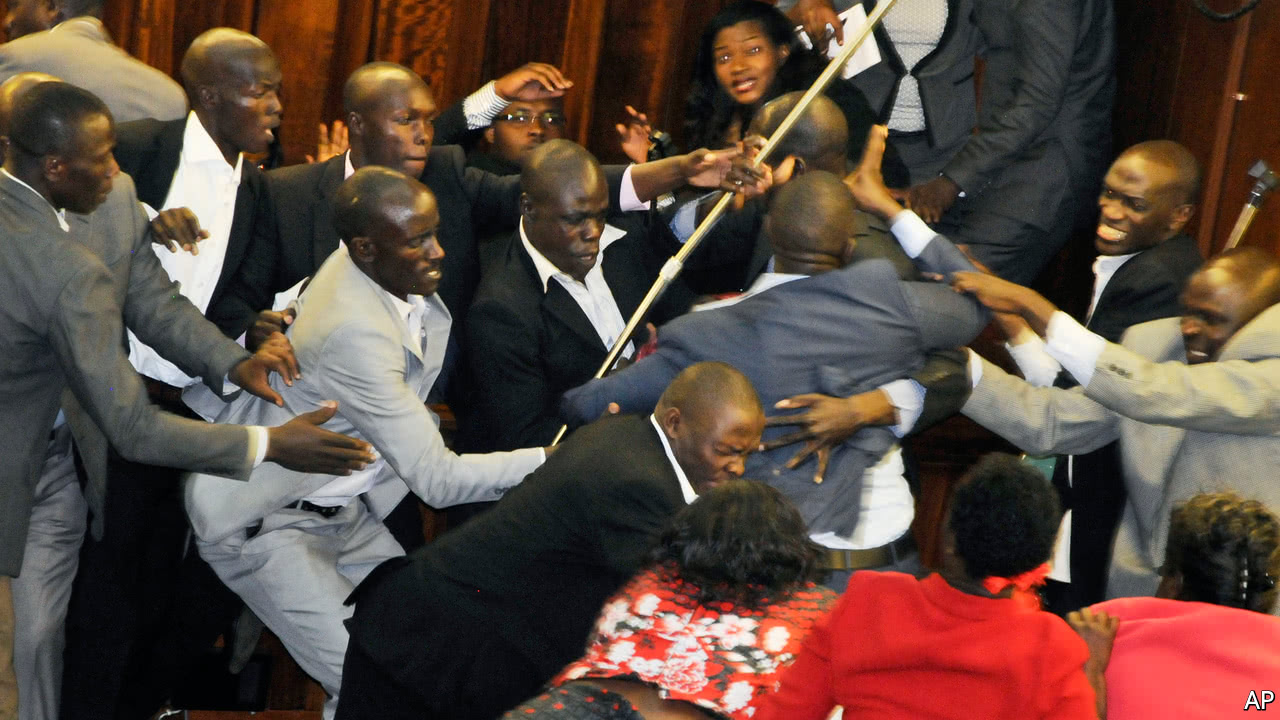
Politicians of Uganda fighting in the cabinet

4. Effects of climate change

Egypt is a country located in Northern Africa. With its rich history of more than 5000 years and impressive pyramids and monuments it is one of the most well-known countries and most visited as well. 

In order to preserve all this history for future generations it is important to take a look into the effects of climate change and how it is changing Egypt.

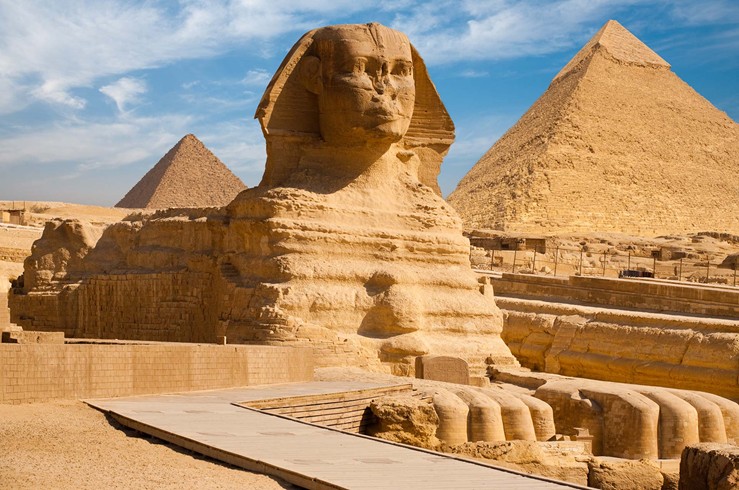
The Sphinx in Egypt

The biggest effects of climate change in Egypt are the rising temperature and sea levels. 

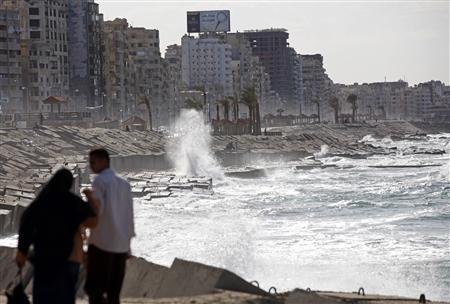
The effects of sea level rise in Alexandria

The rising sea levels effect the Nile Delta, one of the world’s largest river deltas. According to citizens, beaches are gone and it is affecting the fertile agriculture land (Reuters, 2010). 

With rising sea levels, there is a higher possibility of flooding in Alexandria, the northeast point of the Nile Delta and second biggest city of Egypt after Cairo. Egypt has already allocated $300‑million for the construction of concrete walls around Alexandria, to protect it from rising sea levels (Mail Guardian, 2017). 

The Intergovernmental Panel on Climate Change (IPCC) predicts that the Mediterranean will rise 30 cm to 1 meter this century. 

More than half of Egypt’s people live within 100 km of the coast. A 2007 World Bank study estimated that a one-meter sea level rise could displace 10 percent of the population.

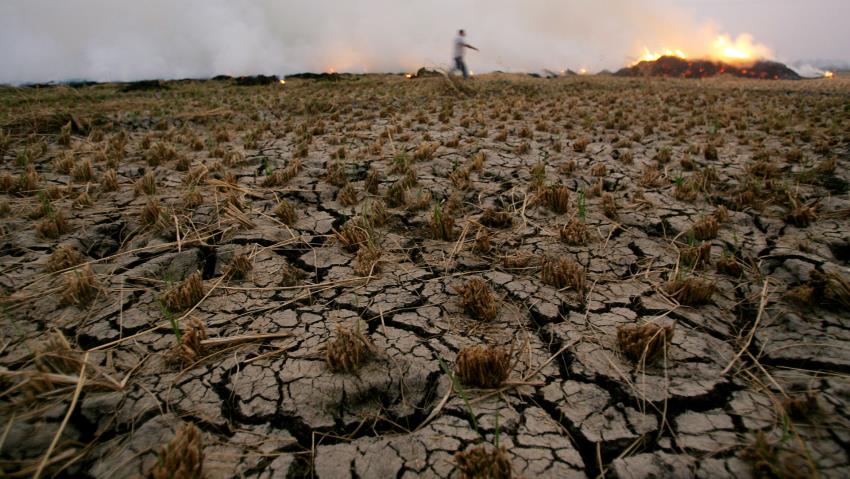
Egypt’s climate is naturally hot and dry because of the location near the equator. With droughts comes water shortage because of the lack of water resources in Egypt. This makes the agriculture industry in Egypt very vulnerable and the harvest will be less profitable.

The water resources of Egypt are also not within-borders, which means that they have to transport water from elsewhere. Many conflicts occur because of the water resources in Egypt, with the effects of droughts it will be more difficult for Egypt to have a reliable water source (Middle East Eye, 2017). 

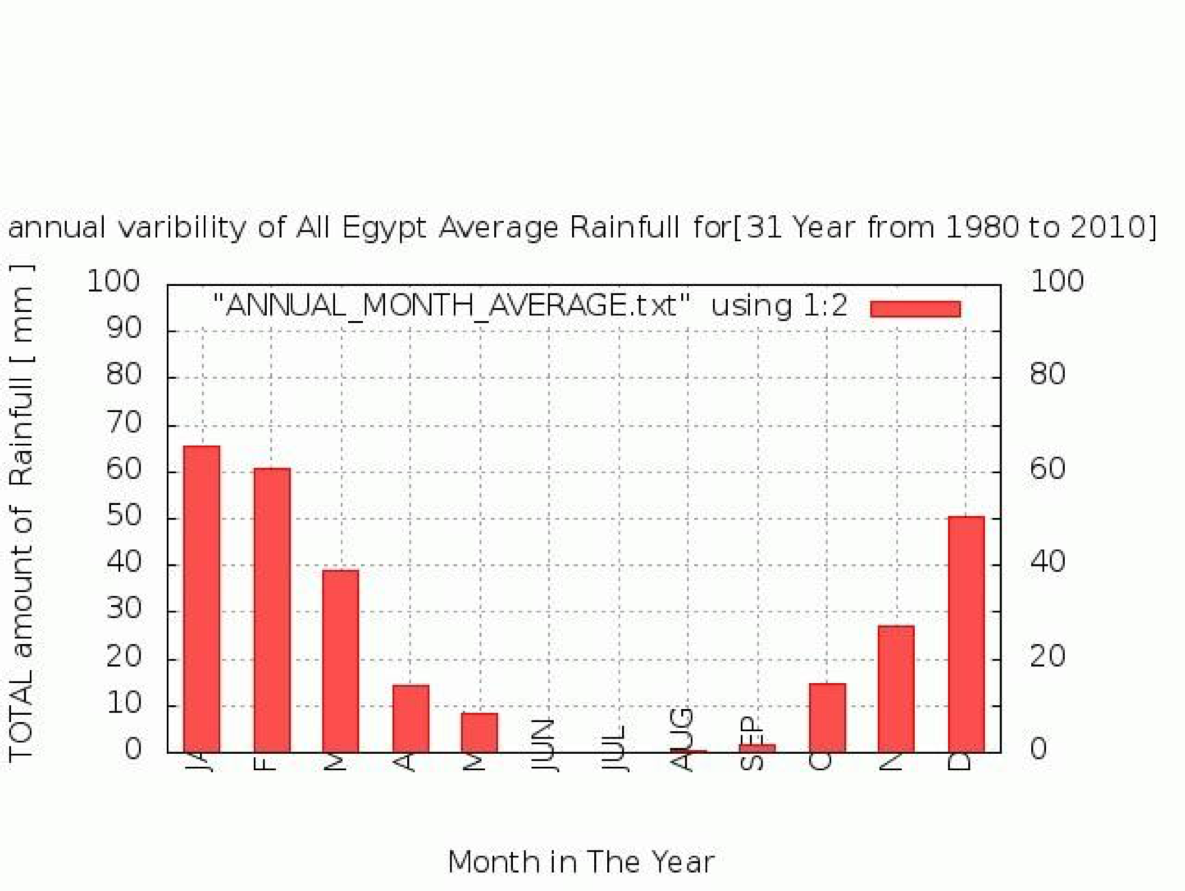
In the figure below (Egyptian Meteorological Authority, 2014) you can see the amount of precipitation in mm a year, in the summer there will be no rainfall at all. Which will have immense effects on the agriculture industry and the locals, in order to strengthen the water supply it is important to come with solutions to avoid a Day Zero. 

3. Water Footprint

Ethiopia is a country that lies in Northeast Africa, with over 100 million inhabitants. Ethiopia is one of the poorest countries on earth, with about 44 percent of the population living in poverty. This is mainly caused by the effects of the economy revolving around agriculture. 

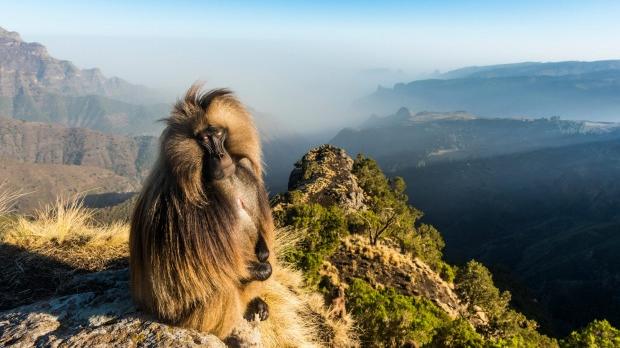
Ethiopia is a country enclosed by lands.

The water footprint measures the appropriate amount of freshwater resources for producing goods and services (Water footprint Network, 2016).  

It also measures the volume of water consumed or polluted, it tells us where and when water is used which allows it to be compared to the water available. 

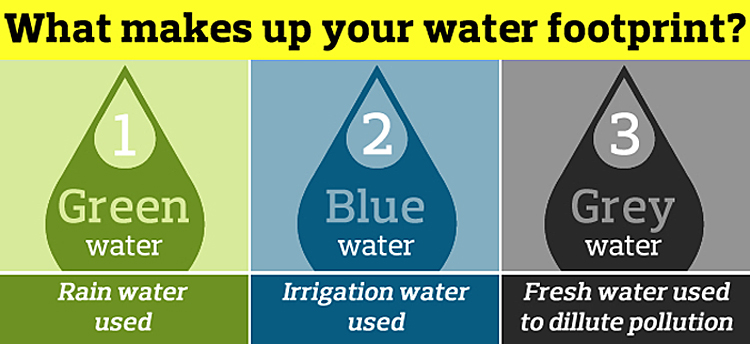
The water footprint can be measured for 3 components. 

  • Green water footprint: volume of rainwater evaporated or incorporated in a product.
  • Blue water footprint: volume of surface or groundwater evaporated or incorporated in a product
  • Grey water footprint: volume of water needed to meet water quality standards. 

The total annual green and blue water footprint of production in Ethiopia is 77.2 billion m3

Green water footprint:

98% of this is green water footprint, that is the use by plants of rainfall stored as soil moisture. The remaining 2% of the water footprint is the use of surface and groundwater for agriculture, industry and domestic water supply

75% of the annual green water footprint of agricultural production is consumed in crop production, while 25% is used for grazing. 

98% of the annual green water footprint of production is for products used within Ethiopia while 2% is consumed in producing products for export. 

Blue water footprint:

The total annual blue water footprint of production is 1.85 billion m3. Of this 34.5% is used for animal water supply, 63.6% is used for producing crops, 1.8% is used for domestic water supply and 0.1% is industrial water use. 

The 3 major corps that are using blue water are:

  • sugar cane
  • cotton
  • maize
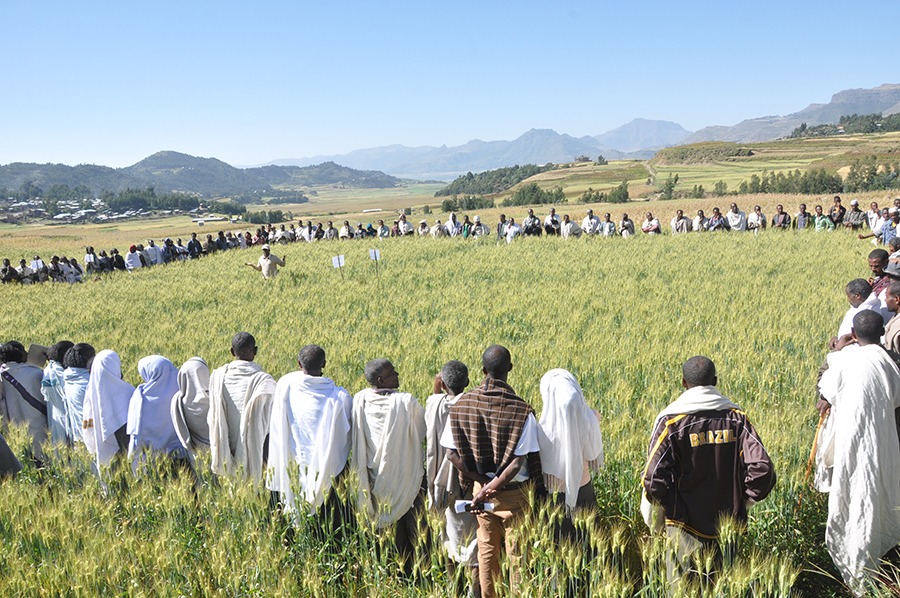
Agriculture in Ethiopia

In Ethiopia, the water resources (green and blue water) are mainly consumed for crop production. 

The green water footprint is primarily for domestic consumption while the blue water footprint is used more for export crops. 

On average, the majority of Ethiopia has high blue water scarcity, meaning that its blue water consumption is unsustainable, with little consideration for environment flow requirements. This is mainly caused by uneducated and unawareness of climate change.


Ethiopia’s national consumption water footprint shows that the country has low external water dependency while its own blue water resources are under pressure (Water footprint Network, 2016).  

Improving water and land productivity can improve water use sustainability and help ensure food security. 

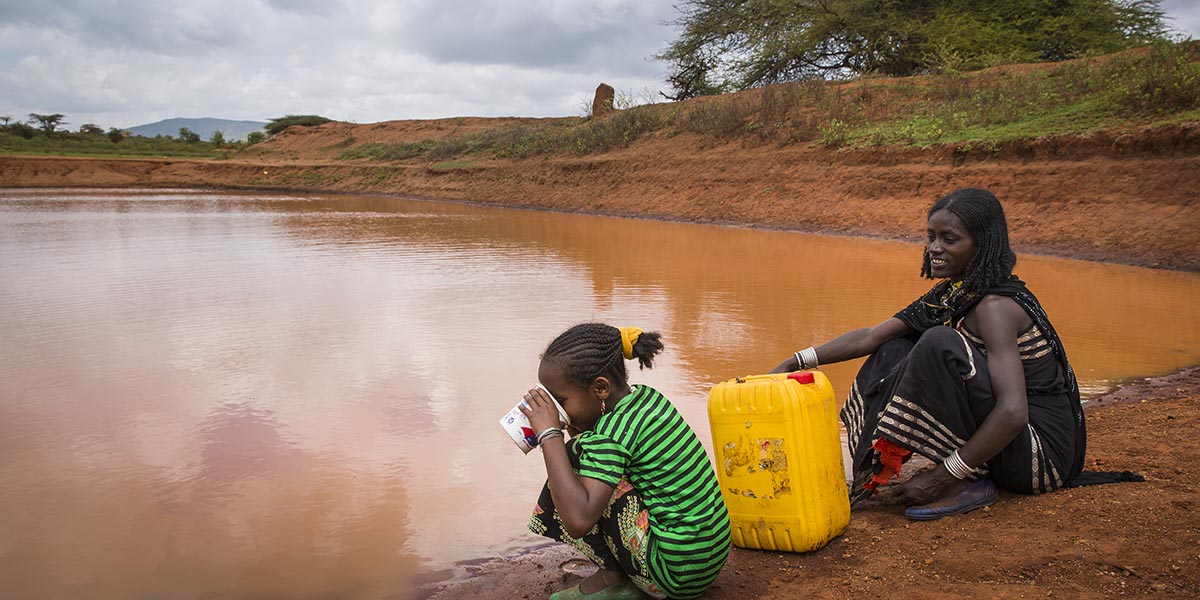
Lifewater Ethiopia 2014

Source:

The source of the statistics and information in this week’s blog is by the Ministry of Foreign Affairs of the Netherlands, via Water Footprint Network. 

2. Poverty

Reducing poverty has become an international concern, yet there is no international consensus on guidelines for measuring poverty.  Many countries in this world are still living in poverty and are unable to provide it citizens with water or food.

Mozambique is a country located in Southeast Africa’s coast. A country with beautiful beaches and crystal-clear water. Though it may only seem beautiful on the outside.

Afbeeldingsresultaat voor mozambique

Although the country has one of the highest annual GDP growths in the world, it is still one of the poorest and underdeveloped countries in the world (ifad.org, 2015).

Mozambique has made great strides in reducing poverty. But with nearly 50 percent of the population still living in poverty, progress has not been fast enough. What’s more, poverty is concentrated in rural areas and even increased in the 2000’s (Mark R. Lundell, 2016)

Causes of the poverty in Mozambique are political conflicts, proxy wars and climatic events. This chapter will focus more on the climatic events that causes the continuous poverty in Mozambique.

Natural disasters such as droughts, flooding and hurricanes are ravaging the country. Floods affected well over 150,000 people in the years 2000, 2001 and 2008, displacing tens of thousands of individuals. A drought in 2009 caused a poor harvest, leading to 350,000 Mozambicans requiring food aid (Michal Burgunder, 2017). 

Causes of Poverty in Mozambique

The vulnerability of the country to climate change is because it’s location, large areas of the country are exposed to tropical cyclones, droughts and river/coastal storm surge flooding (USAID, 2018).

Also, more than 60 percent of the population lives in low-lying coastal areas. With limited access to electricity, improved drinking water and sanitation.

70 percent of the people in Mozambique depends on climate-sensitive agricultural production for their food and livelihoods. Which can cause food scarcity during times of extreme droughts or floods.

Ways to make Mozambique more prone and resilient to climate change and reduce the poverty rate are:

  • Food security: since most of the country food production relies on agriculture which is easily affected by climate change, measurements have to be made to improve the food security.
  • Improved water resources: Water is the single most important thing for humans, to reduce poverty there has to be clean and safe water for the residents. Not to mention that droughts and floods will affect the water resources, causing damage on economic resources.
  • Education systems: More than 50% of the Mozambique people aged 20-30 can’t read, which has an impact on the economic growth and opportunities.

There are already major improvements going on in Mozambique, but it is still not enough to reduce poverty and really make a big change. Thus it is very important for developed, capitalist and industrial countries to help and pay attention to the underdeveloped part of the world. Mozambique is only one of the many examples of the poverty that resides in third-world countries.

I look forward to an even brighter future for countries like Mozambique, starting with better opportunities for the country’s poorest people.

1. Water Shortage

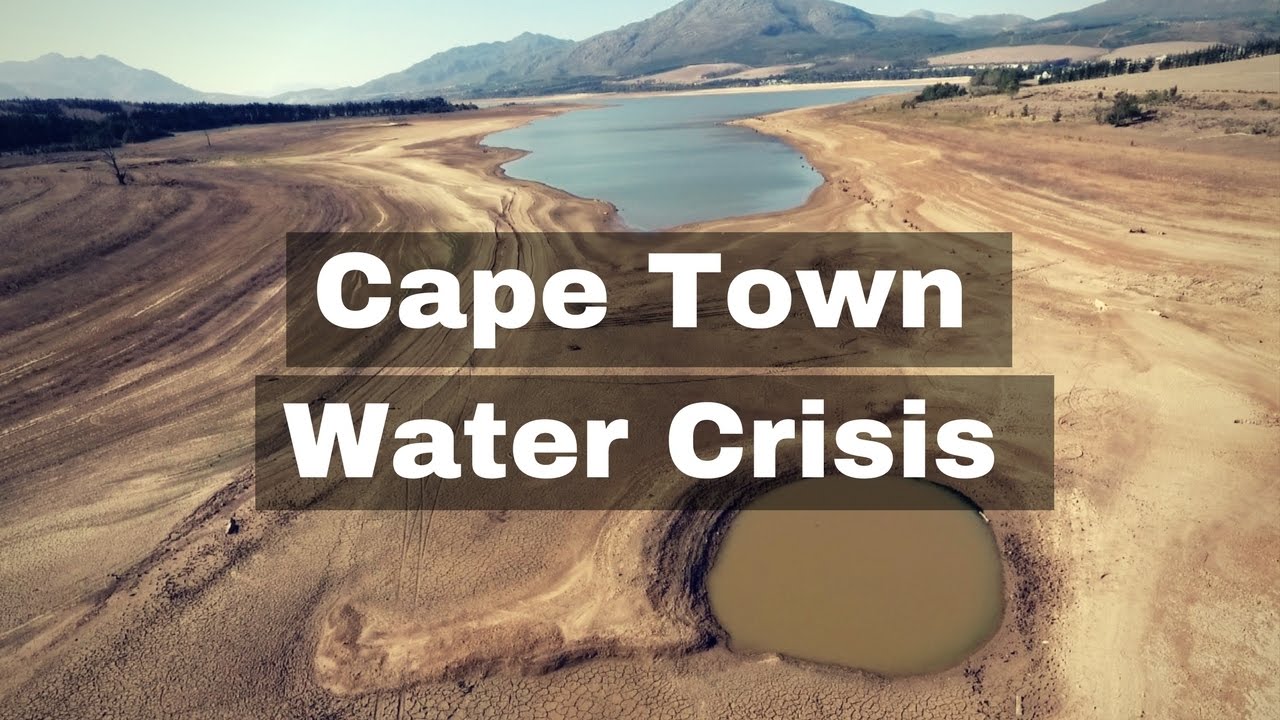
Water Shortage in Cape Town

“We’ll never, ever, ever take water for granted again.”

Last February in 2018, an extreme period of drought hit the center of South Africa lasting for months. Leading to a shortage of the water supply.

This drought will eventually lead to a Day Zero, which means that the water reservoirs will run out of water. This will have a huge impact on the water supply for both agricultural and urban use. (Lynsey Chutel, 2018)

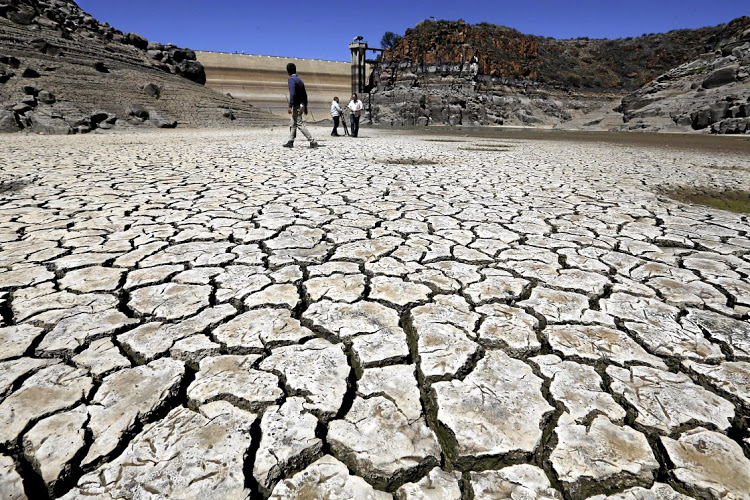
November 08, 2017. Gamka Dam in Beaufort West are below zero persent and the as the Karoo town goes through a severe drought . PICTURE: ESA ALEXANDER/SUNDAY TIMES

The citizens of Cape Town had to cope with a limited water supply. For example: limited drinking water, less showering and less flushing the toilet. This was very hard for the inhabitants of Cape Town. The drought had a tremendous effect on the water supply system in Cape Town, the emergency protocol was enabled for the people. (Richard Bosman, 2017)

At the height of this water crisis, citizens of Cape Town played a big part in reducing this water shortage. They were not allowed to use more than 50 liters of water a day. Practically, it meant that gardens went dry, showers were restricted to two minutes and swimming pools were almost a disgrace among neighbors. (Lynsey Chutel, 2018)

One major problem that lead to the city’s water shortage was the rapid growing population, an increase of 2 million inhabitants since 1995. At the same time the city only built one major dam, which was opened in 2009. (Lynsey Chutel, 2018) 

However, by taking the right measurements, Cape Town has pushed its day zero date from 2017 to 2019. At the same time, the city is adapting more to climate change and are innovating new ways of making the city more resilient when facing extreme droughts.