Egypt is a country located in Northern Africa. With its rich history of more than 5000 years and impressive pyramids and monuments it is one of the most well-known countries and most visited as well.
In order to preserve all this history for future generations it is important to take a look into the effects of climate change and how it is changing Egypt.
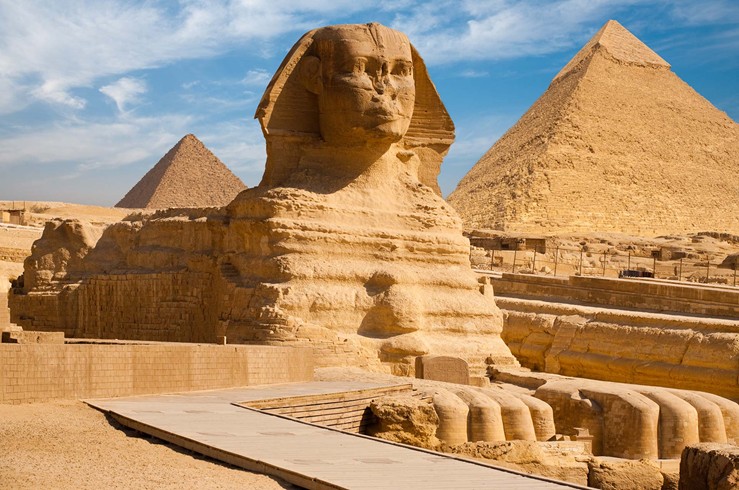
The biggest effects of climate change in Egypt are the rising temperature and sea levels.
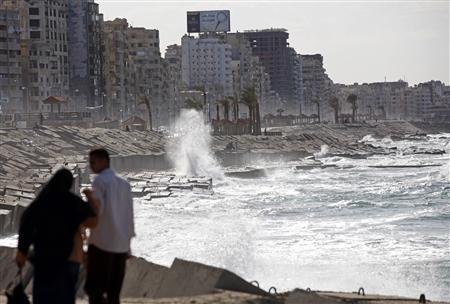
The rising sea levels effect the Nile Delta, one of the world’s largest river deltas. According to citizens, beaches are gone and it is affecting the fertile agriculture land (Reuters, 2010).
With rising sea levels, there is a higher possibility of flooding in Alexandria, the northeast point of the Nile Delta and second biggest city of Egypt after Cairo. Egypt has already allocated $300‑million for the construction of concrete walls around Alexandria, to protect it from rising sea levels (Mail Guardian, 2017).
The Intergovernmental Panel on Climate Change (IPCC) predicts that the Mediterranean will rise 30 cm to 1 meter this century.
More than half of Egypt’s people live within 100 km of the coast. A 2007 World Bank study estimated that a one-meter sea level rise could displace 10 percent of the population.
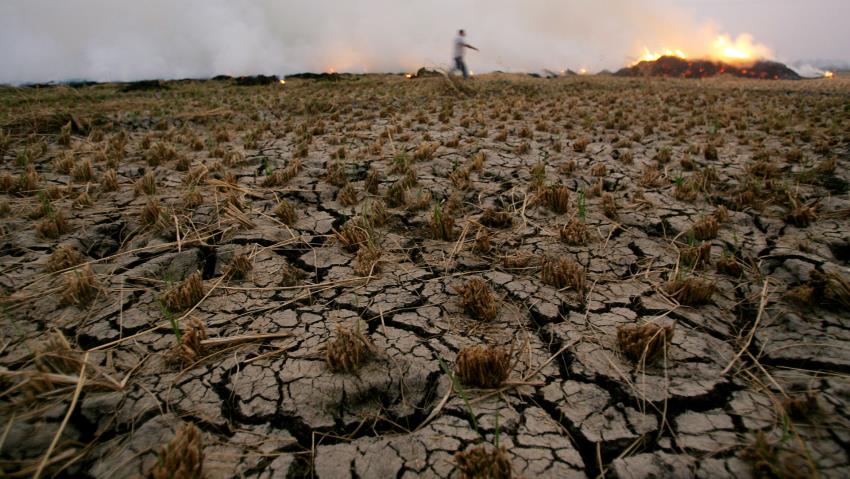
Egypt’s climate is naturally hot and dry because of the location near the equator. With droughts comes water shortage because of the lack of water resources in Egypt. This makes the agriculture industry in Egypt very vulnerable and the harvest will be less profitable.
The water resources of Egypt are also not within-borders, which means that they have to transport water from elsewhere. Many conflicts occur because of the water resources in Egypt, with the effects of droughts it will be more difficult for Egypt to have a reliable water source (Middle East Eye, 2017).
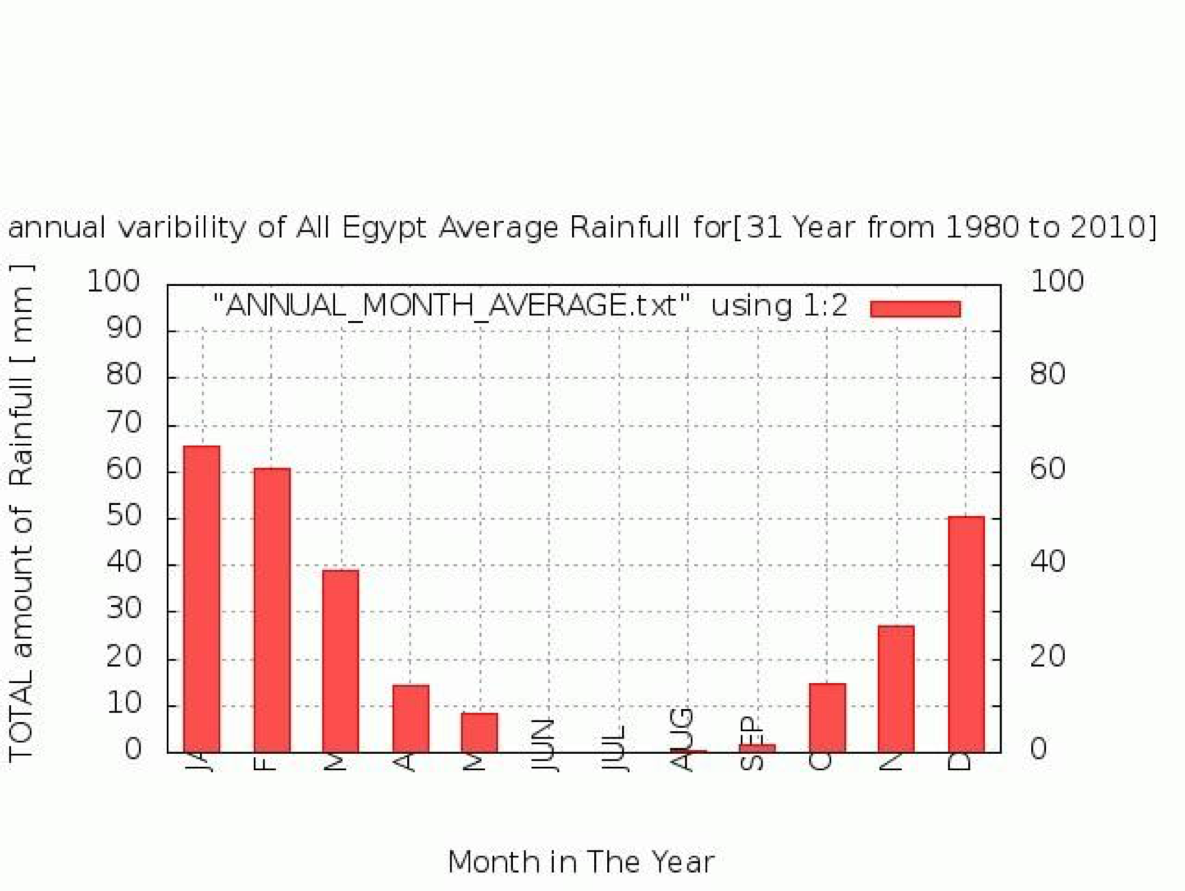
In the figure below (Egyptian Meteorological Authority, 2014) you can see the amount of precipitation in mm a year, in the summer there will be no rainfall at all. Which will have immense effects on the agriculture industry and the locals, in order to strengthen the water supply it is important to come with solutions to avoid a Day Zero.

 Global Challange: No Water No Food